Sri Lanka for Japanese Travellers
Complete Guide 2026
スリランカへようこそ
Welcome to Sri Lanka — A guide written especially for Japanese visitors
Sri Lanka is one of the most rewarding destinations for Japanese travellers — a compact island packed with extraordinary nature, ancient Buddhist culture, warm-hearted people, and food that is genuinely unlike anything you have tasted before. This guide covers everything you need to know before you arrive, written with Japanese guests specifically in mind.
Why Japanese Travellers Love Sri Lanka
Sri Lanka and Japan share more than most people realise. Both cultures have a deep reverence for nature, a rich Buddhist tradition, extraordinary attention to detail in food preparation, and a genuine warmth in hospitality that feels immediately familiar. Japanese visitors consistently rate Sri Lanka as one of their favourite long-haul destinations — the island feels both excitingly foreign and surprisingly comfortable.
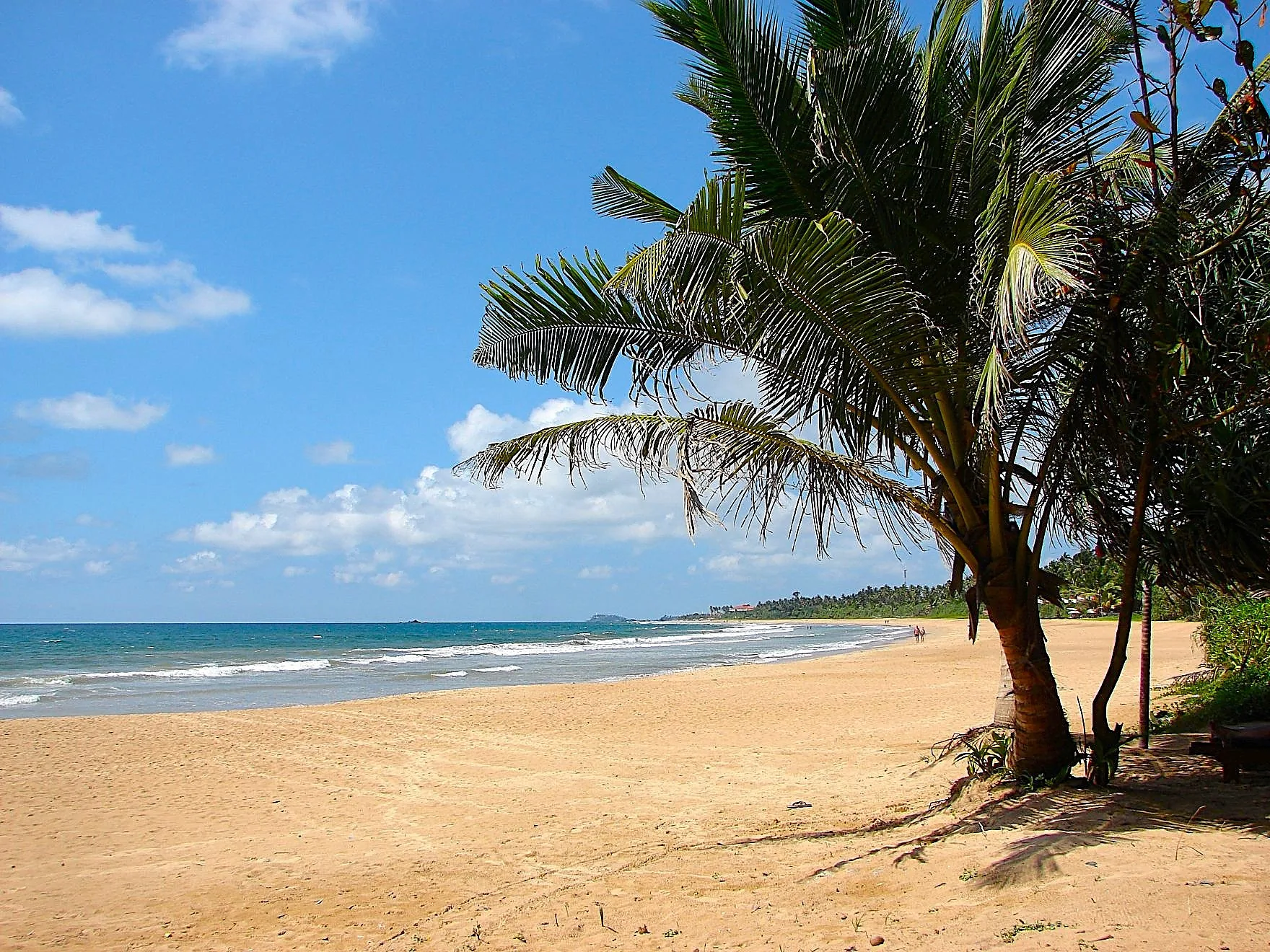
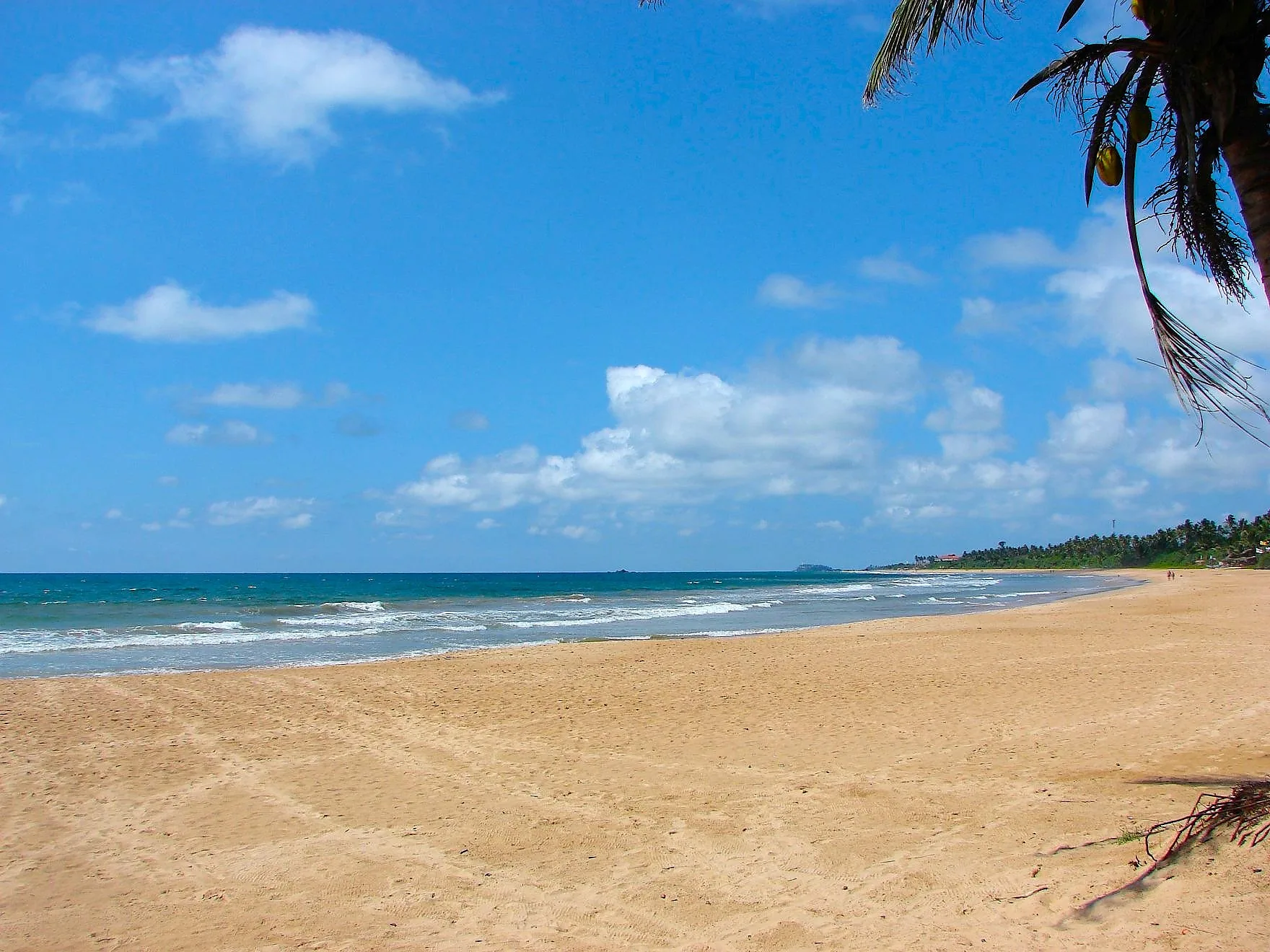
The Southern Coast in particular — around Induruwa and Bentota — offers the perfect balance: pristine beaches, extraordinary wildlife, authentic village life, and a pace of living that feels genuinely restorative. Most visitors plan to stay a few days and end up extending their trip.
日本語でご案内します
ヴィラ・エスチュアリーでは、日本語でのご案内が可能です。
Villa Estuary has a Japanese-speaking Sri Lankan host — Oshika — who can guide you through local experiences, cooking classes, temple visits and everything in between. All in Japanese, from arrival to departure.
Essential Information
| Topic | Details |
|---|---|
| Visa | Japanese citizens require an ETA (Electronic Travel Authorisation) — apply online at eta.gov.lk before travel. Cost: approximately $20–35 USD. Valid for 30 days. |
| Currency | Sri Lankan Rupee (LKR). As of 2026, approximately 1 JPY ≈ 2.3 LKR. ATMs widely available in Colombo and tourist areas. Carry some cash for local markets and tuk-tuks. |
| Language | Sinhala and Tamil are official languages. English is widely spoken in tourist areas, hotels and restaurants. Very little Japanese spoken outside specialist tour operators. |
| Time Zone | Sri Lanka Standard Time (SLST) — UTC+5:30. Japan is UTC+9, so Sri Lanka is 3.5 hours behind Japan. |
| Electricity | 230V, 50Hz. Type D and G plugs. Japanese appliances (100V) will need a voltage converter. Bring a universal adapter. |
| Climate | Tropical year-round — 27–32°C. Southern Coast is dry and calm November to April. Rainy season May to October. |
| Best season | December to April for the Southern Coast — clear skies, calm seas, whale watching season. |
| Flight time | Approximately 10–11 hours direct from Tokyo (NRT) to Colombo (CMB). |
Getting Around
Sri Lanka has several transport options that work well for Japanese travellers:
Train — Most recommended
Sri Lanka's coastal train from Colombo south to Induruwa and Galle is one of the great train journeys in Asia. The views of the Indian Ocean from the window are extraordinary, especially in the late afternoon. Tickets are very inexpensive and the experience is genuinely memorable. Our team can help you book tickets.
Tuk-tuk
The three-wheeled tuk-tuk is Sri Lanka's most iconic form of transport and perfect for short journeys. Always agree on a price before getting in. PickMe (Sri Lanka's Uber equivalent) works in many areas and removes the need to negotiate.
Private driver
For day trips and longer journeys, a private driver is the most comfortable option. Villa Estuary can arrange trusted drivers who know the Southern Coast well. Costs approximately $40–60 per day.
Food — What to Expect
Sri Lankan food will surprise and delight Japanese palates. Like Japanese cuisine, it is built on precise seasoning, fresh ingredients and deeply layered flavours — but the spices and techniques are completely different. Rice and curry is the foundation of every meal — a platter of fragrant rice surrounded by small dishes of vegetable curries, a protein, condiments and pickles.
Dishes to try:
- Rice and curry — the national meal, deeply satisfying and infinitely varied
- Hoppers (Appa) — bowl-shaped fermented rice pancakes, eaten for breakfast with a fried egg inside
- Kottu roti — chopped flatbread stir-fried with vegetables and egg, loud to make and delicious to eat
- String hoppers — delicate rice noodle discs served with coconut sambol and curry
- Pol sambol — freshly grated coconut with chilli and lime — extraordinary flavour
- Wattalappam — a rich coconut and jaggery steamed pudding of Malay origin — the best dessert in Sri Lanka
- Kithul treacle — dark, complex palm syrup poured over buffalo curd — deeply umami, very Japanese in sensibility
🍳 Cooking Class at Villa Estuary
- Learn to cook authentic Sri Lankan rice and curry from scratch — in Japanese
- 3 hours, every day, garden or indoor dining
- From $50 (1 person) · $25 each extra adult · children under 10 free — open to our guests and outside visitors
- Book: info@villaestuary.com or WhatsApp +94 777 136 953
Buddhist Culture
Sri Lanka is a Theravada Buddhist country and the faith is deeply woven into daily life — you will hear temple bells, see saffron-robed monks on the streets, and find small shrines at the roadside decorated with fresh flowers. Japanese visitors with a background in Mahayana Buddhism will find much that is familiar, and much that is fascinatingly different.
When visiting temples: remove shoes before entering, dress modestly (shoulders and knees covered), and move quietly. Photography is usually permitted but always ask first. Offering a small donation is appreciated.
Wildlife & Nature
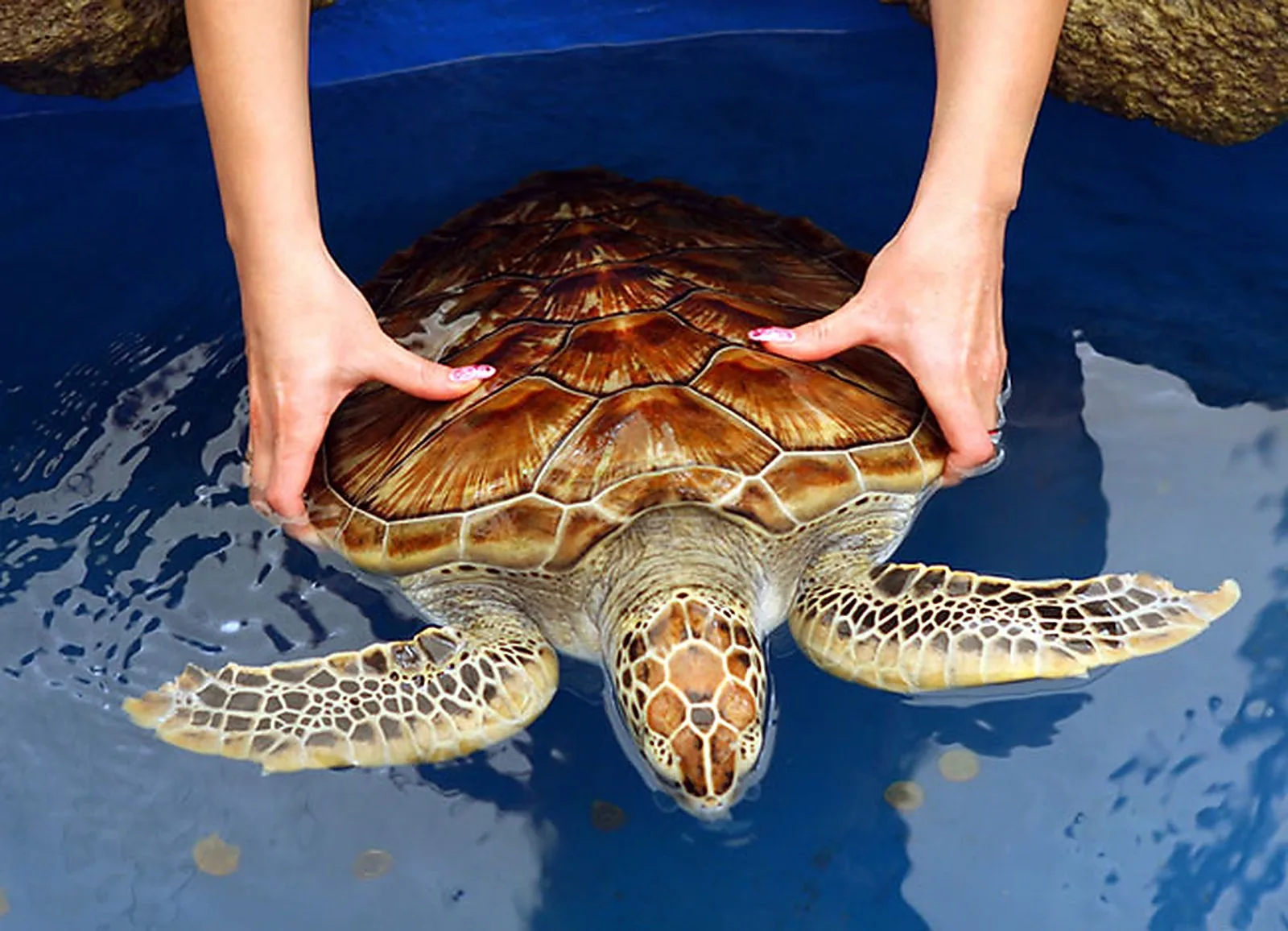
The Southern Coast is extraordinary for wildlife — sea turtles nesting on the beaches, Blue Whales offshore, kingfishers and purple herons in the estuary mangroves, monitor lizards in the gardens. Japanese visitors with a love of nature — and most do — will find the Southern Coast endlessly rewarding.
- Sea turtles — five species nest near Induruwa, watch hatchlings reach the sea
- Blue Whales — one of the world's best viewing locations (November–April)
- Bentota River — monitor lizards, kingfishers, macaques in the mangroves
- Estuary birds — right at Villa Estuary, visible from the garden every morning
Practical Tips for Japanese Visitors
- Punctuality — Sri Lanka operates on a more relaxed time sense than Japan. Trains and buses may run late. Build buffer time into your plans.
- Bargaining — expected at markets and with tuk-tuks (not at fixed-price restaurants). Start at about 60% of the first asking price.
- Water — drink only bottled water. Villa Estuary provides bottled water — extra available on request.
- Shoes — you will remove them frequently at temples and some local homes. Slip-on sandals are practical.
- Cash — carry some LKR for markets, tuk-tuks and small shops. ATMs available in Bentota and Hikkaduwa.
- SIM card — buy a local SIM at the airport on arrival. Dialog and Mobitel offer good coverage on the Southern Coast. Very affordable.
- Left side driving — like Japan, Sri Lanka drives on the left. Roads are narrower and more chaotic than Japan — take care crossing the street.
Why Stay in Induruwa
For Japanese visitors specifically, Induruwa offers something that busier resorts cannot — genuine quietness, authentic local life, and a level of personal attention that feels genuinely Japanese in spirit. Villa Estuary is a small, family-run property where you are known by name, where the food is prepared with care, and where the natural surroundings — the estuary, the garden, the beach — are genuinely beautiful.
With our Japanese-speaking host Oshika available every day, you can experience everything Sri Lanka has to offer — the cooking, the temples, the markets, the wildlife — with all the language barriers removed. It is the easiest and most rewarding way to experience the real Sri Lanka.

Oshika
A former Japanese language teacher and government professional, Oshika brings warmth, cultural understanding and genuine hospitality to every guest interaction. A passionate home baker and culinary enthusiast, she has spent years mastering authentic Sri Lankan home cooking. Fluent in Japanese, she bridges the gap between two very different cultures with ease — making Villa Estuary one of the few properties in Southern Sri Lanka where Japanese guests can feel truly at home.
日本語でのご案内・お料理教室・観光サポートすべて対応しております。
🗺️ Planning Your Full Sri Lanka Journey?
Sri Lanka has a lot to offer — and planning the right route, timing and experiences can be overwhelming, especially from overseas. Oshika can help you plan your entire Sri Lanka itinerary, not just your stay at Villa Estuary.
- How many days to spend in each region
- Best routes — coastal, cultural triangle, hill country
- Which experiences are worth it and which to skip
- Transport between cities — train, bus, private car
- Timing around weather, festivals and wildlife seasons
- Recommended stays, local restaurants and hidden gems
スリランカ全体の旅程プランニングも日本語でお手伝いします。お気軽にご相談ください。
This is a personalised service — simply send us a message in Japanese with your travel dates, group size and interests, and Oshika will put together a suggested itinerary for you.
ご予約・お問い合わせ
日本語でお気軽にお問い合わせください。
スタッフのオシカが丁寧にご案内いたします。
Contact us in Japanese — Oshika will respond and help plan your perfect Sri Lanka stay from Villa Estuary.
Once You Arrive
Explore Villa Estuary Experiences
Cooking classes, river safaris, turtle hatchery and more — right from the property.